The Recorder
录音机
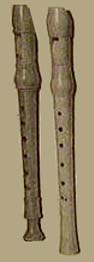 |
The principal type of European flute from the 16th to the mid-18th century was the end-blown fipple flute called the recorder. It was usually built of wood and had eight finger holes. Its whistle mouthpiece made it easier to play than the transverse flute, for it required only good control of the breath to direct the air to a point that produced a soft, sweet tone. 16世纪至18世纪中叶,欧洲最主流的竖笛是内吹式共鸣管笛,称为记录笛。它通常由木头制成,有八个手指孔。其哨口使其比横笛更容易演奏,因为它只需良好的呼吸控制即可将空气引导到产生柔和、悦耳音色的点。
Although not perfectly cylindrical in bore, it's accoustical behavior is essentially like an open cylindrical air column. 尽管气缸并非完美圆柱形,其声学行为基本上类似于一个开放的圆柱形空气柱。
|
Woodwind instruments
Musical instruments
索引 长笛类乐器 音乐乐器
| HyperPhysics***** Sound
HyperPhysics ***** 声音 | R Nave |
返回