RLC Parallel Circuit
RLC并联电路
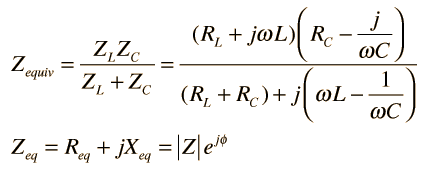
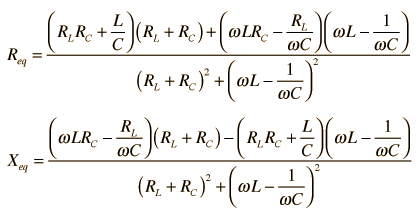
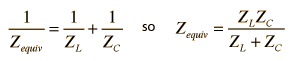
Finding the impedance of a parallel RLC circuit is considerably more difficult than finding the series RLC impedance. This is because each branch has a phase angle and they cannot be combined in a simple way. The impedance of the parallel branches combine in the same way that parallel resistors combine:
计算并联RLC电路的阻抗比计算串联RLC阻抗要困难得多。这是因为每个支路都有一个相位角,它们不能以简单的方式组合。并联支路的阻抗组合方式与并联电阻的组合方式相同:
 |
 But although the branch impedance magnitudes can be calculated from 但尽管支路阻抗幅度可以从
|
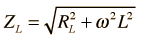
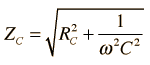
它们不能像上面的表达式所建议的那样直接相加,因为它们在相位上不同——就像方向不同的向量不能直接相加一样。这个困境最容易通过复阻抗方法来解决。
AC Circuits
索引 AC 电路
| HyperPhysics***** Electricity and Magnetism
HyperPhysics ***** 电学和磁学 | R Nave |
返回
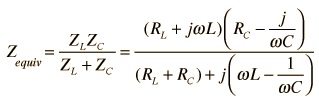

 = 0, the resonant frequency can be calculated. The