Lysosome
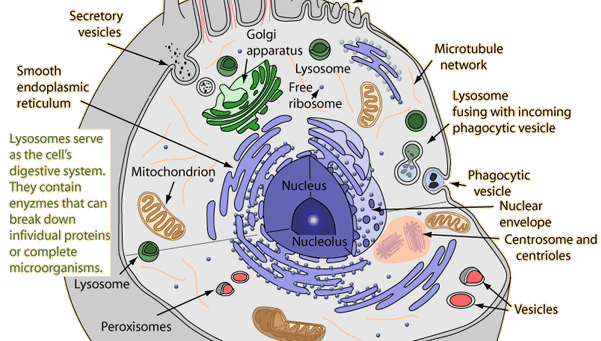
Within eukaryotic cells are specialized vesicles called lysosomes that contain digestive enzymes. These enzymes break down foreign material which may enter the cell. The name lysosome means "releasing body" and their enzymes cause "lysis" or disintegration of certain materials. They can be used to break down worn-out cellular components or bacteria engulfed by the cell. The enzymes they contain are so powerful that they can kill their host cell if released, so in normal cells they remain contained within the lysosome's membrane.
The enyzmes contained in lysosomes are examples of the proteins that are manufactured by the ribosomes, typically in the rough endoplasmic reticulum. They are then packaged by the Golgi apparatus inside the membranous vescicles that make up the lysosomes.
The main function of lysosomes is to accomplish digestion of food particles. The kinds of things they break down range from individual protein molecules to complete microorganisms.
Reference
Hickman, et al.
Ch 4
Audesirk & Audesirk
Ch 6
| HyperPhysics***** Biology
HyperPhysics ***** 生物学 | R Nave |