Simplified Model: Sound Reinforcement
简化模型:声音强化
|
Assume*: 假设:*
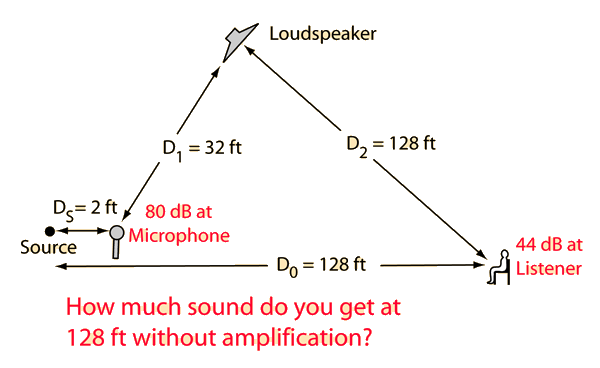
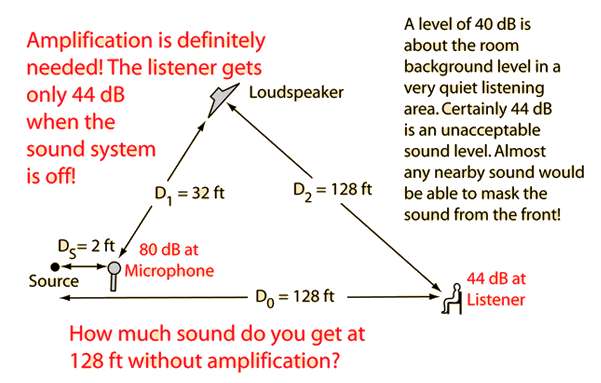
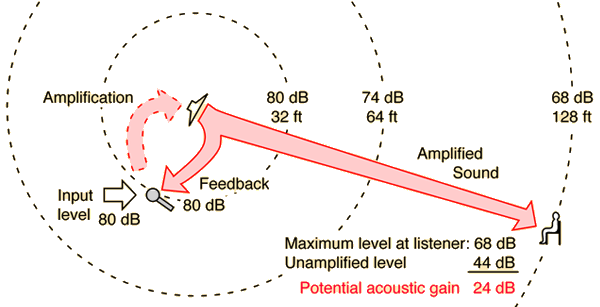
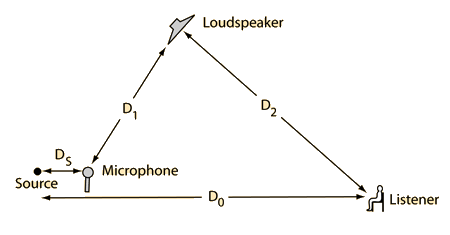
| The loudspeaker provides more sound to the listener than would otherwise have been received, but it also produces sound at the location of the microphone. This feedback to the microphone limits the amount of amplification which can be used. Control of the feedback generally is the determining factor for the potential acoustic gain that can be achieved by a sound reinforcement system.
扬声器比麦克风原本接收的声能更多,但它也会在麦克风位置产生声音。这种反馈限制了可以使用的放大程度。对反馈的控制通常是决定声学增益潜力的关键因素。 |
|
The microphone creates an electrical image of the sound which is amplified and used to drive a loudspeaker.
麦克风将声音转换为电信号,该信号被放大并用于驱动扬声器。 |
 |
*These idealizations are never met in any real room, but they provide a framework for building a model. The assumptions will be relaxed later.
这些理想化在任何实际房间中都无法实现,但它们为构建模型提供了框架。这些假设将在后面被放宽。
| Numerical example
数值例子 |
Sound reproduction concepts
索引 声学再现概念
| HyperPhysics***** Sound
HyperPhysics ***** 声音 | R Nave |
返回