C3 PhotosynthesisC3 光合作用
Plants which use only the Calvin cycle for fixing the carbon dioxide from the air are known as C3 plants. In the first step of the cycle CO2 reacts with RuBP to produce two 3-carbon molecules of 3-phosphoglyceric acid (3-PGA). This is the origin of the designation C3 or C3 in the literature for the cycle and for the plants that use this cycle. 利用仅 Calvin 周期固定大气中二氧化碳的植物被称为 C3 植物。在该周期的第一步中,CO₂ 与 RuBP 反应,生成两个 3 碳分子的 3-磷酸甘油酸(3-PGA)。这是文献中将该周期及使用该周期的植物称为 C3 或 C₃ 的由来。
![]() The entire process, from light energy capture to sugar production occurs within the chloroplast. The light energy is captured by the non-cyclic electron transport process which uses the thylakoid membranes for the required electron transport. 整个过程,从光能的捕获到糖的生成,均发生在叶绿体中。光能通过非循环电子传递过程被捕获,该过程利用类囊体膜进行所需的电子传递。
About 85% of plant species are C3 plants. They include the cereal grains: wheat, rice, barley, oats. Peanuts, cotton, sugar beets, tobacco, spinach, soybeans, and most trees are C3 plants. Most lawn grasses such as rye and fescue are C3 plants. 大约85%的植物是C3植物。它们包括谷物:小麦、水稻、大麦、燕麦。花生、棉花、糖 beet、烟草、菠菜、大豆和大多数树木都是C3植物。大多数草坪草,如黑麦和早熟禾,也是C3植物。
C3 plants have the disadvantage that in hot dry conditions their photosynthetic efficiency suffers because of a process called photorespiration. When the CO2 concentration in the chloroplasts drops below about 50 ppm, the catalyst rubisco that helps to fix carbon begins to fix oxygen instead. This is highly wasteful of the energy that has been collected from the light, and causes the rubisco to operate at perhaps a quarter of its maximal rate. C3植物的缺点是在干旱炎热条件下,其光合作用效率会因一种称为光呼吸的过程而降低。当叶绿体内的二氧化碳浓度降至约50 ppm以下时,帮助固定碳的酶rubisco开始固定氧气而不是二氧化碳。这会极大浪费从光中收集的能量,并导致rubisco的运作速率可能仅为最大速率的四分之一。
The problem of photorespiration is overcome in C4 plants by a two-stage strategy that keeps CO2 high and oxygen low in the chloroplast where the Calvin cycle operates. The class of plants called C3-C4 intermediates and the CAM plants also have better strategies than C3 plants for the avoidance of photorespiration. C4植物通过一种两阶段策略解决了光呼吸问题,该策略在卡尔文循环运作的叶绿体中保持CO₂高而O₂低。被称为C3-C4中间植物和CAM植物的植物也比C3植物具有更好的避免光呼吸的策略。
|
Index Photosynthesis Concepts Reference Moore, et al. Ch 7 索引 光合作用概念 参考 Moore 等人 第7章 | ||
|
Go Back
返回 |
C4 PhotosynthesisC4光合作用
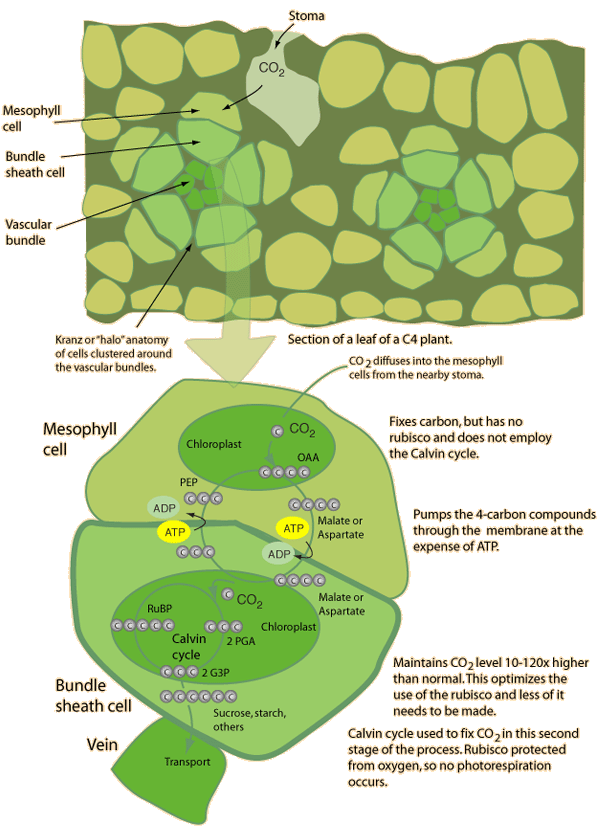
C4 plants almost never saturate with light and under hot, dry conditions much outperform C3 plants. They use a two-stage process were CO2 is fixed in thin-walled mesophyll cells to form a 4-carbon intermediate, typically malate (malic acid). The reaction involves phosphoenol pyruvate (PEP) which fixes CO2 in a reaction catalyzed by PEP-carboxylate. It forms oxaloacetic acid (OAA) which is quickly converted to malic acid. The 4-carbon acid is actively pumped across the cell membrane into a thick-walled bundle sheath cell where it is split to CO2 and a 3-carbon compound. C4植物几乎从不因光照饱和,在炎热干燥的条件下远优于C3植物。它们使用两阶段过程,其中CO₂在薄壁叶肉细胞中固定形成一种4碳中间体,通常为苹果酸(苹果酸酸)。该反应涉及磷酸烯醇丙酮酸(PEP),它在PEP羧化酶催化下将CO₂固定,形成草酰乙酸(OAA),后者迅速转化为苹果酸。该4碳酸被主动泵入厚壁的维管束鞘细胞中,分解为CO₂和一种3碳化合物。
This CO2 then enters the Calvin cycle in a chloroplast of the bundle sheath cell and produces G3P and subsequently sucrose, starch and other carbohydrates that enter the cells energy transport system. 这种CO₂随后进入叶绿体中的束状细胞的卡尔文循环,生成G3P,并最终生成蔗糖、淀粉和其他碳水化合物,这些物质进入细胞的能量运输系统。
![]() The advantage that comes from this two-stage process is that the active pumping of carbon into the bundle sheath cell and the blocking of oxygen produce an environment with 10-120x as much CO2 available to the Calvin cycle and the rubisco tends to be optimally utilized. The high CO2 concentration and the absence of oxygen implies that the system never experiences the detractive effects of photorespiration. 这种两阶段过程的优势在于,将碳主动泵入束鞘细胞并阻断氧气产生一个环境中,可提供比常规情况下多10-120倍的CO₂供卡尔文循环使用,而rubisco倾向于被最优利用。高浓度的CO₂和缺乏氧气意味着系统永远不会经历光呼吸的负面影响。
The drawback to C4 photosynthesis is the extra energy in the form of ATP that is used to pump the 4-carbon acids to the bundle sheath cell and the pumping of the 3-carbon compound back to the mesophyll cell for conversion to PEP. This loss to the system is why C3 plants will outperform C4 plants if there is a lot of water and sun. The C4 plants make some of that energy back in the fact that the rubisco is optimally used and the plant has to spend less energy synthesizing rubisco. C4光合作用的缺点在于,需要额外的能量以ATP的形式将4碳酸泵入束状细胞,并将3碳化合物泵回叶肉细胞,以便将其转化为PEP。这种损失使得在水分和阳光充足时,C3植物会优于C4植物。然而,C4植物能够部分弥补这种能量损失,因为Rubisco被最优利用,且植物在合成Rubisco时所花费的能量较少。
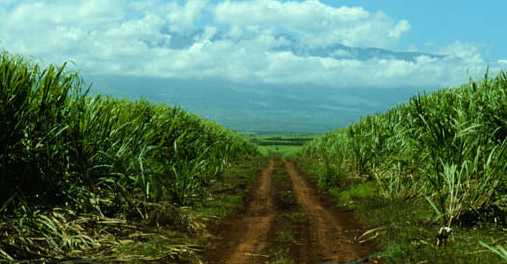
Moore, et al. say that only about 0.4% of the 260,000 known species of plants are C4 plants. But that small percentage includes the important food crops corn, sorghum, sugarcane and millet. Also inluded are crabgrass and bermuda. Many tropical grasses and sedges are C4 plants. Moore 等人指出,已知的 260,000 余种植物中,仅有约 0.4% 是 C4 植物。但这个小比例包括了重要的粮食作物——玉米、高粱、甘蔗和小米。此外,还包括了 crabgrass 和 Bermuda(百慕大草)。许多热带禾本科和莎草科植物也是 C4 植物。
|
Index Photosynthesis Concepts Reference Moore, et al. Ch 7 索引 光合作用概念 参考 Moore 等人 第7章 | |||
|
Go Back
返回 |
C3-C4 Intermediate PhotosynthesisC3-C4 中间光合作用
Moore, et al. point to Flaveria (Asteraceae), Panicum (Poaceae) and Alternanthera (Amarantheceae) as genera that contain species that are intermediates between C3 and C4 photosynthesis. These plants have intermediate leaf anatomies that contain bundle sheath cells that are less distinct and developed than the C4 plants. Moore 等人指出,Flaveria(菊科)、Panicum(禾本科)和Alternanthera(苋科)这些属中的物种在C3与C4光合作用之间处于中间状态。这些植物的叶片解剖结构处于中间状态,其束状细胞不如C4植物明显和发达。
The connection to hot and dry conditions comes from the fact that all the plants will close their stomata in hot and dry weather to conserve moisture, and the continuing fixation of carbon from the air drops the CO2 dramatically from the atmospheric concentration of nominally 380 ppm (2004 value). If the CO2 compensation point is lower on the above scale, the plant can operate in hotter and dryer conditions. The limits are placed by the fact that rubisco begins to fix oxygen rather than CO2, undoing the work of photosynthesis. C4 plants shield their rubisco from the oxygen, so can operate all the way down to essentially zero CO2 without the onset of photorespiration. 与高温干燥条件的联系在于,所有植物在高温干燥天气下都会关闭气孔以保存水分,而持续的碳固定会使大气中二氧化碳浓度显著下降,从名义上的380 ppm(2004年数据)开始。如果二氧化碳补偿点在上述尺度上更低,植物就可以在更热更干燥的条件下运作。这一限制是由Rubisco开始固定氧气而不是二氧化碳造成的,这会逆转光合作用的效率。C4植物能够保护其Rubisco免受氧气的影响,因此可以在二氧化碳几乎为零的情况下运作而不会出现光呼吸现象。
|
Index Photosynthesis Concepts Reference Moore, et al. Ch 7 索引 光合作用概念 参考 Moore 等人 第7章 | |||
|
Go Back
返回 |
Crassulacean Acid Metabolism (CAM)晶体酸代谢(CAM)
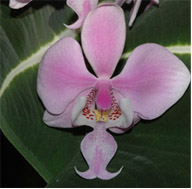
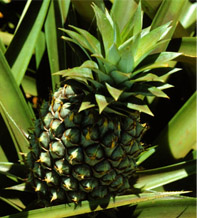
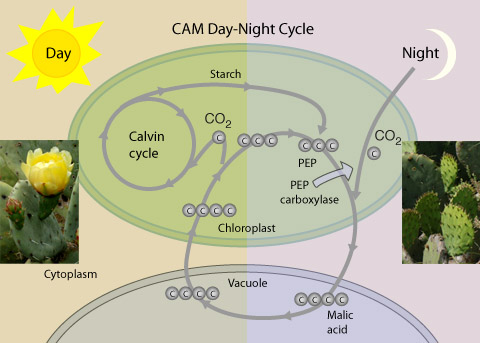
![]() The acidity was found to arise from the opening of their stomata at night to take in CO2 and fix it into malic acid for storage in the large vacuoles of their photosynthetic cells. It could drop the pH to 4 with a malic acid concentration up to 0.3M . Then in the heat of the day, the stomata close tightly to conserve water and the malic acid is decarboxylated to release the CO2 for fixing by the Calvin cycle. PEP is used for the initial short-term carbon fixation as in the C4 plants, but the entire chain of reactions occurs in the same cell rather than handing off to a separate cell as with the C4 plants. In the CAM strategy, the processes are separated temporally, the initial CO2 fixation at night, and the malic acid to Calvin cycle part taking place during the day. 酸性被发现来源于夜间气孔开放以吸收CO₂并将其固定为苹果酸以储存在其光合细胞中的大型液泡中。这种苹果酸浓度可高达0.3M,使pH降至4。白天,气孔紧闭以保存水分,苹果酸脱羧释放CO₂,供卡尔文循环固定。PEP用于C4植物中的初始短期碳固定,但整个反应链发生在同一细胞内,而不是像C4植物那样传递到其他细胞。在CAM策略中,这些过程在时间上分开,夜间进行初始CO₂固定,而苹果酸到卡尔文循环的部分则在白天进行。
|
Index Photosynthesis Concepts Reference Moore, et al. Ch 7 索引 光合作用概念 参考 Moore 等人 第7章 | |||||||
|
Go Back
返回 |
Photorespiration光呼吸
Respiration refers to the metabolism of oxygen and the release of carbon dioxide. In cellular respiration it is a positive term, a process vital to life. But photorespiration is an entirely negative term because it represents a severe loss to the process of using light energy in photosynthetic organisms to fix carbon for subsequent carbohydrate synthesis. By leading to the loss of up to half of the carbon that has been fixed at the expense of light energy, photorespiration undoes the work of photosynthesis. 呼吸指的是氧气的代谢和二氧化碳的释放。在细胞呼吸中,这是一个积极的术语,是生命所必需的过程。但光呼吸是一个完全负面的术语,因为它代表了光合生物利用光能固定碳以进行后续碳水化合物合成过程中的严重损失。光呼吸导致固定了多达一半的光能所固定的碳的损失,这抵消了光合作用的工作。
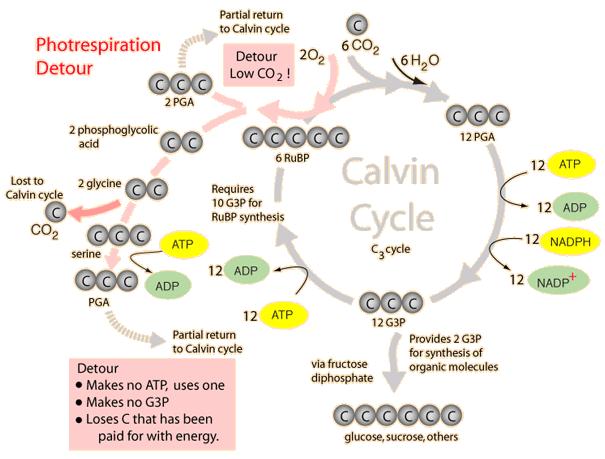
Photorespiration happens in C3 plants when the CO2 concentration drops to about 50 ppm. The key enzyme that accomplishes the fixing of carbon is rubisco, and at low concentrations of CO2 it begins to fix oxygen instead. 光呼吸发生在C3植物中,当二氧化碳浓度降至约50 ppm时。固定碳的关键酶是rubisco,而在二氧化碳浓度较低时,它开始固定氧气。
![]() Under moderate temperature conditions when C3 plants have sufficient water, the supply of carbon dioxide is abundant and photorespiration is not a problem. The CO2 concentration of the atmosphere as of 2004 was about 380 ppm and this CO2 freely diffuses through the stomata of leaves and across the membranes of the chloroplasts while water diffuses out through the stomata. But during hot and dry conditions, the stomata close to prevent excessive water loss and the continuing fixation of carbon in the Calvin cycle dramatically reduces the relative concentration of CO2. When it reaches a critical level of about 50 ppm the rubisco stops fixing CO2 and begins to fix O2 instead. Even though the detoured process feeds some PGA back into the cycle, the photorespiration process causes rubisco to operate at only about 25% of its optimal rate. 在中等温度条件下,当C3植物有充足的水分时,二氧化碳供应充足,光呼吸不是问题。2004年大气中的二氧化碳浓度约为380 ppm,这种二氧化碳可以自由地通过叶片的气孔和叶绿体膜扩散,而水则通过气孔扩散出去。但在炎热干燥的条件下,气孔关闭以防止过度的水分流失,这导致卡尔文循环中碳的固定显著减少,二氧化碳的相对浓度也随之降低。当达到约50 ppm的临界水平时,核酮糖-1,5-二磷酸激酶(rubisco)停止固定二氧化碳,转而开始固定氧气。尽管这种绕道过程会将一些PGA重新送回循环中,但光呼吸过程使rubisco的运作效率仅达到其最佳速率的约25%。
The C4 plants and CAM plants avoid photorespiration and therefore operate at much higher efficiencies in hot and dry climates. C4植物和CAM植物避免光呼吸,因此在炎热干燥的气候中运作效率要高得多。
|
Index Photosynthesis Concepts Reference Moore, et al. Ch 7 索引 光合作用概念 参考 Moore 等人 第7章 | |||
|
Go Back
返回 |