Electron Transport in the Energy Cycle of the Cell
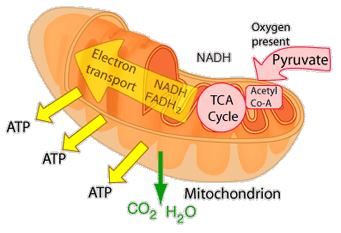 | The eukaryotic cell's most efficient path for production of vital ATP is the aerobic respiration that takes place in the mitochondria. After glycolysis, the pyruvate product is taken into the mitochondia and is further oxidized in the TCA cycle. This cycle deposits energy in the reduced coenzymes which transfer that energy through what is called the electron transport chain. 真核细胞产生重要ATP最有效的途径是线粒体进行的有氧呼吸。糖酵解后,丙酮酸产物被输送到线粒体并在TCA循环中进一步氧化。这个循环将能量储存在被还原的辅酶中,这些辅酶通过所谓的电子传递链将能量传递出去。 |
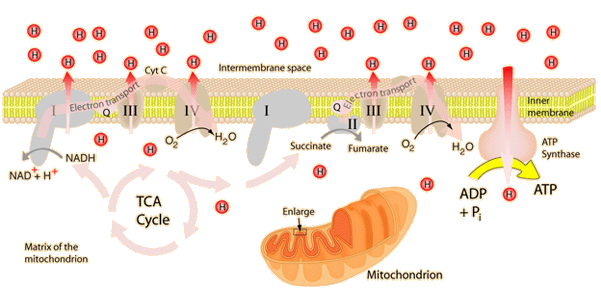
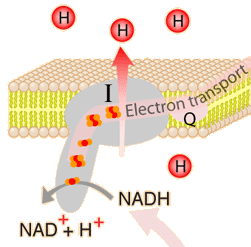
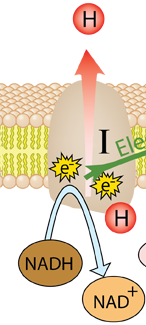
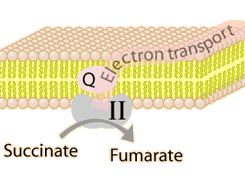
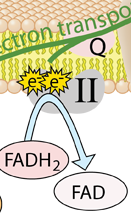
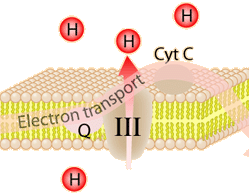
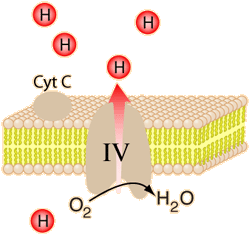
The energy given to the electrons of the reduced coenzyme NADH and to succinate by the TCA cycle is transferred in small steps in the inner membrane of the mitochondrion through a chain of five protein complexes. These small oxidation steps accomplish the conversion of ADP to the energy currency molecule ATP. This series of coupled reactions is often referred to as oxidative phosphorylation.
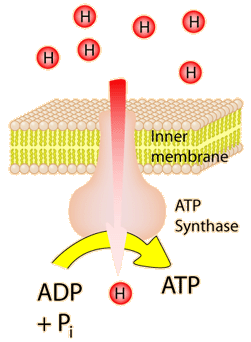
The energy used in the electron transport chain pumps protons across the inner mitochondrial membrane from the inner matrix to the intermembrane space, producing a strong hydrogen concentration gradient. This process was called chemiosmosis by its discover, Peter Mitchell. This difference in proton concentration produces both an electrical potential and a pH potential across the membranes. The protein complex ATP synthase then makes use of this membrane potential to accomplish the phosphorylation of ADP to ATP.
| Coupled Systems: The Electron Transport Chain and Oxidative Phosphorylation
耦合系统:电子传递链与氧化磷酸化 |
| The Protein Complexes of the Electron Transport Chain
电子传递链的蛋白质复合物 |
| Oxidative phosphorylation wiki
氧化磷酸化维基 |
| Electron transport in the chloroplast for photosynthesis
光合作用中叶绿体的电子运输 |
| Cellular Respiration
细胞呼吸 |
Reference
Karp
Ch 5
| HyperPhysics***** Biology
HyperPhysics ***** 生物学 | R Nave |